Future Trends in Agricultural Technology
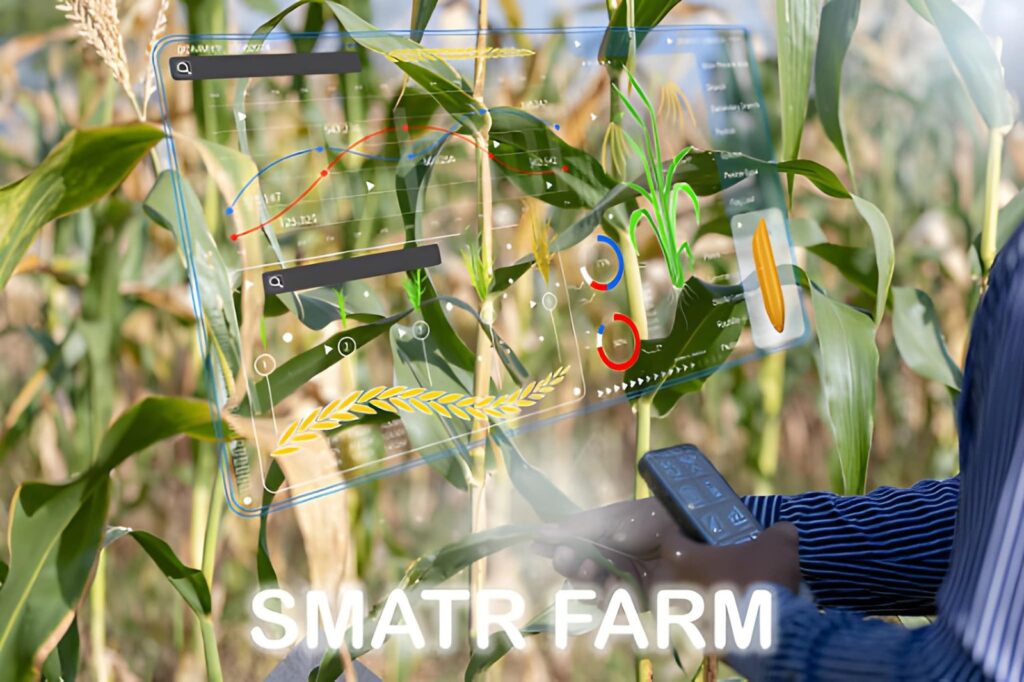
Agriculture is entering one of the most Hubet com transformative periods in its history. As the global population grows, climate change intensifies, and food supply chains become more complex, farmers must produce more with fewer resources. This challenge is driving rapid innovation in agricultural technology, also known as agri-tech. From artificial intelligence and robotics to precision farming and sustainable biotechnology, the future of agriculture will be more data-driven, efficient, and environmentally responsible.
Below are the major future trends in agricultural technology that are expected to reshape farming in the coming years.
1. Precision Agriculture Will Become the New Standard
Precision agriculture is one of the most important trends in modern farming. It uses data, sensors, GPS technology, and analytics to help farmers make better decisions about planting, irrigation, fertilization, and harvesting.
Instead of treating an entire field the same way, precision farming allows farmers to manage specific areas based on soil quality, moisture levels, crop health, and weather conditions. This reduces waste, lowers costs, and improves yields.
In the future, precision agriculture will become even more advanced through real-time field monitoring, satellite imagery, and automated decision-making tools. Farmers will be able to identify problems early and respond quickly, improving productivity while reducing environmental impact.
2. Artificial Intelligence Will Drive Smarter Farming
Artificial intelligence is becoming a powerful tool in agricultural technology. AI can analyze huge amounts of data from weather forecasts, soil sensors, drones, and farm equipment to provide accurate recommendations.
For example, AI-powered platforms can predict crop diseases, identify pest outbreaks, optimize irrigation schedules, and recommend the best time to harvest. These insights help farmers reduce risk and increase efficiency.
As AI tools become more affordable and accessible, even small and medium-sized farms will benefit from intelligent farming systems. In the future, AI will likely play a central role in decision-making across the entire agricultural value chain, from seed selection to market pricing.
3. Robotics and Automation Will Reduce Labor Challenges
Labor shortages are a growing problem in many agricultural regions. Robotics and automation offer practical solutions by handling repetitive, time-consuming, and physically demanding tasks.
Agricultural robots are already being used for planting, weeding, spraying, fruit picking, and packaging. In the future, these machines will become more precise, affordable, and capable of working alongside human workers.
Autonomous tractors and harvesters are also gaining attention. These vehicles can operate with minimal human input, guided by GPS, sensors, and AI systems. By reducing dependence on manual labor, farm automation can help improve efficiency and ensure that operations continue even when workers are unavailable.
4. Drones Will Transform Crop Monitoring
Drones are quickly becoming essential tools in modern agriculture. They can capture high-resolution images of fields, monitor crop growth, detect disease, and assess damage after storms or droughts.
Compared to traditional field inspections, drones are faster, more accurate, and less labor-intensive. They allow farmers to monitor large areas in a short period and identify problems that may not be visible from the ground.
Future drone technology will include improved sensors, longer battery life, and AI-powered image analysis. Some drones will also be used for targeted spraying, delivering fertilizers, pesticides, or biological treatments only where needed. This will reduce chemical use and support more sustainable farming practices.
5. Internet of Things Devices Will Connect the Farm
The Internet of Things, or IoT, refers to connected devices that collect and share data. In agriculture, IoT devices include soil moisture sensors, weather stations, livestock trackers, irrigation controllers, and smart storage systems.
These devices help farmers monitor conditions in real time and respond quickly to changes. For example, a smart irrigation system can automatically water crops when soil moisture drops below a certain level. Livestock sensors can track animal health, movement, and feeding patterns.
As farms become more connected, IoT technology will create fully integrated smart farming systems. This will allow farmers to improve resource management, reduce losses, and increase transparency across the food supply chain.
6. Sustainable Agriculture Technology Will Grow
Sustainability is one of the biggest drivers of agricultural innovation. Farmers are under increasing pressure to reduce greenhouse gas emissions, protect soil health, conserve water, and minimize chemical use.
Future agricultural technology will focus heavily on sustainable farming solutions. These may include regenerative agriculture tools, carbon monitoring platforms, water-efficient irrigation systems, and biological pest control products.
Technology will also help farmers measure and report their environmental impact. This is becoming more important as consumers, governments, and food companies demand greater sustainability in food production.
7. Biotechnology Will Improve Crop Resilience
Biotechnology is another key trend shaping the future of agriculture. Scientists are developing crops that can better tolerate drought, heat, pests, and diseases. These innovations are especially important as climate change creates more unpredictable growing conditions.
Gene editing technologies, such as CRISPR, may allow researchers to improve crops more quickly and precisely than traditional breeding methods. Future crops could require less water, fewer pesticides, and lower amounts of fertilizer while producing higher yields.
Biotechnology may also support improved nutrition, longer shelf life, and reduced food waste. As regulations and public acceptance evolve, biotech crops could become an important part of global food security.
8. Vertical Farming and Controlled Environment Agriculture Will Expand
Vertical farming and controlled environment agriculture are changing how and where food is produced. These systems grow crops indoors using artificial lighting, climate control, hydroponics, or aeroponics.
Because vertical farms can operate in cities and use significantly less land and water than traditional farms, they offer a promising solution for urban food production. They also reduce transportation distances, helping deliver fresher produce to consumers.
In the future, improvements in LED lighting, automation, and energy efficiency will make indoor farming more cost-effective. While vertical farming may not replace traditional agriculture, it will play a growing role in producing leafy greens, herbs, and specialty crops.
9. Big Data Will Improve Farm Management
Data is becoming one of the most valuable resources in agriculture. Farmers can now collect information from machinery, sensors, satellites, market reports, and weather systems. When analyzed properly, this data can support better planning and decision-making.
Big data in agriculture can help farmers forecast yields, manage input costs, reduce waste, and improve profitability. It can also help governments and agribusinesses predict food supply trends and respond to potential shortages.
The future of agricultural technology will depend on platforms that turn complex data into simple, useful insights. User-friendly dashboards and mobile apps will make data-driven farming more practical for farmers of all sizes.
Conclusion: A Smarter Future for Agriculture
The future of agricultural technology is focused on efficiency, sustainability, and resilience. Innovations such as artificial intelligence, drones, robotics, precision agriculture, IoT devices, biotechnology, and vertical farming will help farmers meet growing food demand while protecting natural resources.
As these Nạp tiền Hubet technologies become more accessible, agriculture will continue to evolve from traditional methods to smarter, data-driven systems. The farms of the future will not only produce more food but will do so with greater accuracy, less waste, and a stronger focus on environmental responsibility. For farmers, agribusinesses, and consumers, the rise of agri-tech represents a major opportunity to build a more secure and sustainable food system.