Oregonstate Blog

Sample Page

Author: admin

  • Future Trends in Agricultural Technology
    Future Trends in Agricultural Technology

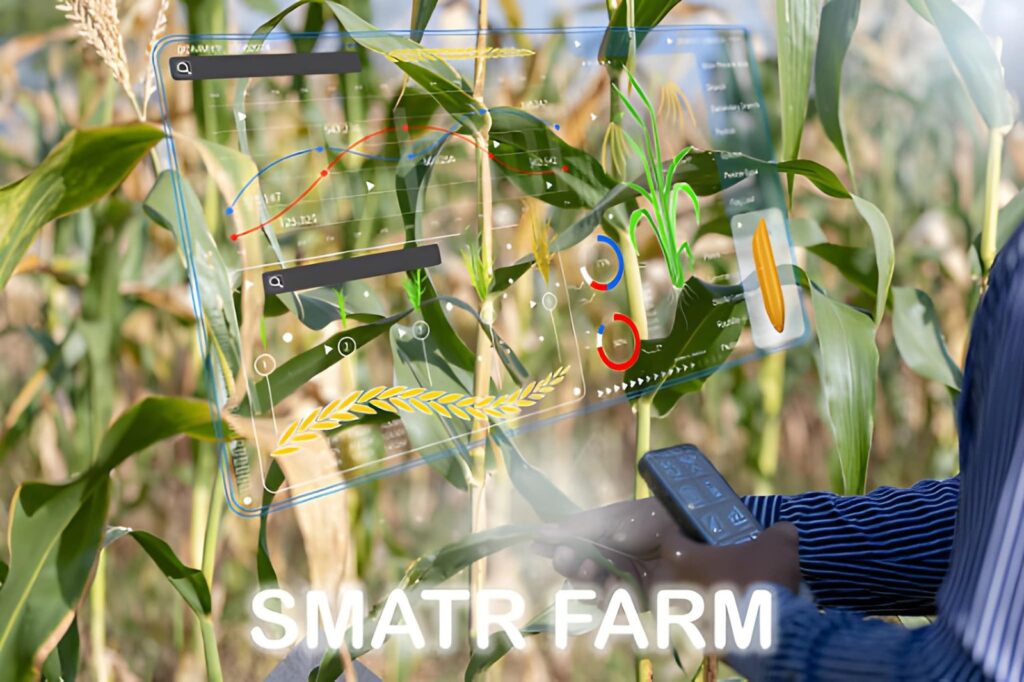
    Agriculture is entering one of the most  Hubet com transformative periods in its history. As the global population grows, climate change intensifies, and food supply chains become more complex, farmers must produce more with fewer resources. This challenge is driving rapid innovation in agricultural technology, also known as agri-tech. From artificial intelligence and robotics to precision farming and sustainable biotechnology, the future of agriculture will be more data-driven, efficient, and environmentally responsible.

    Below are the major future trends in agricultural technology that are expected to reshape farming in the coming years.

    1. Precision Agriculture Will Become the New Standard

    Precision agriculture is one of the most important trends in modern farming. It uses data, sensors, GPS technology, and analytics to help farmers make better decisions about planting, irrigation, fertilization, and harvesting.

    Instead of treating an entire field the same way, precision farming allows farmers to manage specific areas based on soil quality, moisture levels, crop health, and weather conditions. This reduces waste, lowers costs, and improves yields.

    In the future, precision agriculture will become even more advanced through real-time field monitoring, satellite imagery, and automated decision-making tools. Farmers will be able to identify problems early and respond quickly, improving productivity while reducing environmental impact.

    2. Artificial Intelligence Will Drive Smarter Farming

    Artificial intelligence is becoming a powerful tool in agricultural technology. AI can analyze huge amounts of data from weather forecasts, soil sensors, drones, and farm equipment to provide accurate recommendations.

    For example, AI-powered platforms can predict crop diseases, identify pest outbreaks, optimize irrigation schedules, and recommend the best time to harvest. These insights help farmers reduce risk and increase efficiency.

    As AI tools become more affordable and accessible, even small and medium-sized farms will benefit from intelligent farming systems. In the future, AI will likely play a central role in decision-making across the entire agricultural value chain, from seed selection to market pricing.

    3. Robotics and Automation Will Reduce Labor Challenges

    Labor shortages are a growing problem in many agricultural regions. Robotics and automation offer practical solutions by handling repetitive, time-consuming, and physically demanding tasks.

    Agricultural robots are already being used for planting, weeding, spraying, fruit picking, and packaging. In the future, these machines will become more precise, affordable, and capable of working alongside human workers.

    Autonomous tractors and harvesters are also gaining attention. These vehicles can operate with minimal human input, guided by GPS, sensors, and AI systems. By reducing dependence on manual labor, farm automation can help improve efficiency and ensure that operations continue even when workers are unavailable.

     4. Drones Will Transform Crop Monitoring

    Drones are quickly becoming essential tools in modern agriculture. They can capture high-resolution images of fields, monitor crop growth, detect disease, and assess damage after storms or droughts.

    Compared to traditional field inspections, drones are faster, more accurate, and less labor-intensive. They allow farmers to monitor large areas in a short period and identify problems that may not be visible from the ground.

    Future drone technology will include improved sensors, longer battery life, and AI-powered image analysis. Some drones will also be used for targeted spraying, delivering fertilizers, pesticides, or biological treatments only where needed. This will reduce chemical use and support more sustainable farming practices.

    5. Internet of Things Devices Will Connect the Farm

    The Internet of Things, or IoT, refers to connected devices that collect and share data. In agriculture, IoT devices include soil moisture sensors, weather stations, livestock trackers, irrigation controllers, and smart storage systems.

    These devices help farmers monitor conditions in real time and respond quickly to changes. For example, a smart irrigation system can automatically water crops when soil moisture drops below a certain level. Livestock sensors can track animal health, movement, and feeding patterns.

    As farms become more connected, IoT technology will create fully integrated smart farming systems. This will allow farmers to improve resource management, reduce losses, and increase transparency across the food supply chain.

    6. Sustainable Agriculture Technology Will Grow

    Sustainability is one of the biggest drivers of agricultural innovation. Farmers are under increasing pressure to reduce greenhouse gas emissions, protect soil health, conserve water, and minimize chemical use.

    Future agricultural technology will focus heavily on sustainable farming solutions. These may include regenerative agriculture tools, carbon monitoring platforms, water-efficient irrigation systems, and biological pest control products.

    Technology will also help farmers measure and report their environmental impact. This is becoming more important as consumers, governments, and food companies demand greater sustainability in food production.

    7. Biotechnology Will Improve Crop Resilience

    Biotechnology is another key trend shaping the future of agriculture. Scientists are developing crops that can better tolerate drought, heat, pests, and diseases. These innovations are especially important as climate change creates more unpredictable growing conditions.

    Gene editing technologies, such as CRISPR, may allow researchers to improve crops more quickly and precisely than traditional breeding methods. Future crops could require less water, fewer pesticides, and lower amounts of fertilizer while producing higher yields.

    Biotechnology may also support improved nutrition, longer shelf life, and reduced food waste. As regulations and public acceptance evolve, biotech crops could become an important part of global food security.

    8. Vertical Farming and Controlled Environment Agriculture Will Expand

    Vertical farming and controlled environment agriculture are changing how and where food is produced. These systems grow crops indoors using artificial lighting, climate control, hydroponics, or aeroponics.

    Because vertical farms can operate in cities and use significantly less land and water than traditional farms, they offer a promising solution for urban food production. They also reduce transportation distances, helping deliver fresher produce to consumers.

    In the future, improvements in LED lighting, automation, and energy efficiency will make indoor farming more cost-effective. While vertical farming may not replace traditional agriculture, it will play a growing role in producing leafy greens, herbs, and specialty crops.

    9. Big Data Will Improve Farm Management

    Data is becoming one of the most valuable resources in agriculture. Farmers can now collect information from machinery, sensors, satellites, market reports, and weather systems. When analyzed properly, this data can support better planning and decision-making.

    Big data in agriculture can help farmers forecast yields, manage input costs, reduce waste, and improve profitability. It can also help governments and agribusinesses predict food supply trends and respond to potential shortages.

    The future of agricultural technology will depend on platforms that turn complex data into simple, useful insights. User-friendly dashboards and mobile apps will make data-driven farming more practical for farmers of all sizes.

    Conclusion: A Smarter Future for Agriculture

    The future of agricultural technology is focused on efficiency, sustainability, and resilience. Innovations such as artificial intelligence, drones, robotics, precision agriculture, IoT devices, biotechnology, and vertical farming will help farmers meet growing food demand while protecting natural resources.

    As these Nạp tiền Hubet technologies become more accessible, agriculture will continue to evolve from traditional methods to smarter, data-driven systems. The farms of the future will not only produce more food but will do so with greater accuracy, less waste, and a stronger focus on environmental responsibility. For farmers, agribusinesses, and consumers, the rise of agri-tech represents a major opportunity to build a more secure and sustainable food system.


  • How to Set Academic Goals That Work

    How to Set Academic Goals That Work

    Setting academic goals is one of the most effective ways TG88 com to improve performance, stay motivated, and make steady progress in school, college, or university. Whether you want to earn better grades, prepare for exams, improve study habits, or qualify for a scholarship, clear goals give you direction. However, not all goals are useful. To be effective, academic goals must be realistic, specific, and supported by a plan.

    In this guide, you will learn how to set academic goals that work and how to turn those goals into daily actions.

    What Are Academic Goals?

    Academic goals are learning-related targets that students set to improve their educational performance. These goals can be short-term, such as finishing a research paper by Friday, or long-term, such as graduating with honors. They may focus on grades, skills, habits, time management, or personal development.

    Examples of academic goals include:

    – Raising your math grade from a C to a B

    – Reading one chapter of a textbook every day

    – Completing assignments at least two days before the deadline

    – Improving essay-writing skills

    – Studying for 45 minutes each evening

    – Preparing for college entrance exams

    The best academic goals help you measure progress and build confidence as you move forward.

    Why Academic Goals Matter

    Academic goals are important because they give your studies purpose. Without goals, it is easy to become distracted, procrastinate, or feel overwhelmed. When you know exactly what you want to achieve, you can organize your time and energy more effectively.

    Setting academic goals also helps you:

    – Stay focused on priorities

    – Track your progress

    – Improve motivation

    – Develop discipline

    – Reduce stress before exams

    – Build better study habits

    – Take responsibility for your learning

    Students who set clear goals are more likely to stay consistent because they understand what they are working toward and why it matters.

    Start With Your Bigger Purpose

    Before setting specific academic goals, think about your bigger purpose. Ask yourself why you want to improve academically. Do you want to get into a particular college? Earn a scholarship? Build confidence? Prepare for a future career? Make your family proud? Prove to yourself that you can succeed?

    Your purpose gives meaning to your goals. For example, “I want to improve my science grade” is a useful goal, but connecting it to a bigger reason makes it stronger: “I want to improve my science grade because I plan to study nursing in the future.”

    When your goals are connected to something meaningful, you are more likely to stay motivated during difficult weeks.

    Use the SMART Goal Method

    One of the best ways to set academic goals that work is to use the SMART method. SMART goals are:

    – **Specific**

    – **Measurable**

    – **Achievable**

    – **Relevant**

    – **Time-bound**

    Instead of saying, “I want to do better in school,” make the goal more detailed. For example:

    “I will raise my English grade from 75% to 85% by the end of the semester by studying vocabulary for 20 minutes each day and submitting all essays on time.”

    This goal works because it explains exactly what you want to achieve, how you will achieve it, and when you expect to complete it.

    Break Big Goals Into Smaller Steps

    Large academic goals can feel intimidating. If your goal is to earn straight A’s, pass a major exam, or write a long research paper, it may seem difficult at first. The solution is to break the goal into smaller steps.

    For example, if your goal is to write a research paper, your smaller steps might include:

    1. Choose a topic by Monday
    2. Find five reliable sources by Wednesday
    3. Create an outline by Friday
    4. Write the first draft by next week
    5. Edit and proofread two days before submission

    Small steps make big goals manageable. They also help you avoid last-minute stress because you are making progress over time.

    Create a Study Plan

    A goal without a plan is only a wish. To make your academic goals work, create a study plan that fits your schedule. Decide when, where, and how you will study.

    Your study plan should include:

    – Daily or weekly study times

    – Assignment deadlines

    – Exam dates

    – Review sessions

    – Breaks and rest periods

    – Time for difficult subjects

    For example, you might study math every Monday, Wednesday, and Friday for 45 minutes, then review science notes every Tuesday and Thursday. A consistent schedule helps your brain build routine, making it easier to stay disciplined.

    Track Your Progress

    Tracking progress is essential for academic success. When you monitor your results, you can see what is working and what needs to change. You can use a planner, calendar, spreadsheet, notebook, or study app to record your progress.

    Track things like:

    – Completed assignments

    – Quiz and test scores

    – Hours spent studying

    – Chapters read

    – Practice questions completed

    – Teacher feedback

    Progress tracking also keeps you motivated. Even small improvements show that your effort is paying off.

    Stay Flexible and Adjust When Needed

    Sometimes academic goals need to change. You may realize that your original goal was too easy, too difficult, or no longer relevant. This does not mean you failed. It means you are learning how to improve your approach.

    For example, if you planned to study two hours every night but feel exhausted, adjust the goal to one focused hour with fewer distractions. If your test score does not improve, try a different study method, such as practice tests, tutoring, or group study.

    Successful students are not perfect. They are willing to reflect, adjust, and keep going.

    Build Habits That Support Your Goals

    Academic goals work best when they are supported by strong habits. Good study habits reduce the need for constant motivation because they become part of your routine.

    Helpful habits include:

    – Reviewing notes after class

    – Keeping your study space organized

    – Starting assignments early

    – Asking questions when confused

    – Avoiding distractions while studying

    – Getting enough sleep

    – Preparing school materials the night before

    These small habits can lead to major academic improvement over time.

    Celebrate Milestones

    Celebrating progress helps you stay motivated. You do not have to wait until you achieve the final goal. Reward yourself when you complete important steps along the way.

    For example, you might take a short break, watch an episode of your favorite show, enjoy a snack, or spend time with friends after finishing a major assignment. Positive rewards make the process more enjoyable and remind you that your hard work matters.

    Final Thoughts

    Learning how to set academic goals that work can transform the way you study and perform in school. The key is to create goals that are specific, realistic, measurable, and connected to your larger purpose. Break big goals into smaller steps, follow a study plan, track your progress, and adjust when necessary.

    Academic success does not happen overnight. It is built through consistent effort, smart planning, and strong habits. When you set the right goals and take action every day, you give yourself the best chance to succeed.

    Sleep is one of the most important foundations of good health, yet many people struggle to get enough restful sleep each night. Poor sleep quality can affect your mood, energy levels, immune system, memory, weight, and overall well-being. While occasional sleepless nights are normal, ongoing sleep problems can often be improved by making simple lifestyle changes.

    The good news is that you do not always need complicated solutions to sleep better. By adjusting your daily habits, evening routine, diet, and sleep environment, you can support your body’s natural sleep cycle and enjoy deeper, more refreshing rest. Below are practical lifestyle changes that improve sleep quality and help you wake up feeling more energized.

    Why Sleep Quality Matters

    Sleep quality is just as important as sleep quantity. You may spend eight hours in bed, but if you wake up often, struggle to fall asleep, or feel tired in the morning, your sleep may not be restorative. High-quality sleep allows your body to repair tissues, regulate hormones, strengthen the immune system, and support brain function.

    Poor sleep has been linked to stress, reduced concentration, irritability, high blood pressure, and increased risk of chronic health conditions. Improving sleep quality can have a positive effect on nearly every area of life, from productivity at work to emotional balance and physical health.

    Keep a Consistent Sleep Schedule

    One of the most effective ways to improve sleep quality is to go to bed and wake up at the same time every day. Your body has an internal clock, known as the circadian rhythm, which helps regulate sleep and wakefulness. When your sleep schedule changes constantly, your body may struggle to know when it is time to rest.

    Try to keep your bedtime and wake-up time consistent, even on weekends. Sleeping in for several hours on Saturday and Sunday can make it harder to fall asleep on Sunday night, leading to a cycle of poor sleep during the week. A regular routine helps train your body to fall asleep more easily and wake up naturally.

    Create a Relaxing Bedtime Routine

    A calming bedtime routine signals to your body that it is time to slow down. Instead of rushing from work, chores, or screen time straight into bed, give yourself at least 30 to 60 minutes to unwind.

    Relaxing activities may include reading a book, taking a warm bath, practicing gentle stretching, listening to soothing music, journaling, or doing breathing exercises. The goal is to reduce mental stimulation and prepare your mind and body for sleep.

    Avoid stressful conversations, intense work tasks, or anything that makes you feel alert right before bed. A peaceful nighttime routine can make it easier to fall asleep and stay asleep.

    Limit Screen Time Before Bed

    Phones, tablets, computers, and televisions can interfere with sleep quality. These devices emit blue light, which may reduce melatonin production. Melatonin is a hormone that helps regulate your sleep-wake cycle. When melatonin levels are disrupted, falling asleep can become more difficult.

    Try to avoid screens at least one hour before bedtime. If you must use a device in the evening, consider turning on night mode, lowering brightness, or using blue light-blocking glasses. Replacing late-night scrolling with a relaxing habit can greatly improve sleep quality over time.

    Improve Your Sleep Environment

    Your bedroom plays a major role in how well you sleep. A comfortable, quiet, and dark environment can help your body relax and stay asleep longer.

    To create a better sleep environment, keep your room cool, ideally around 60 to 67 degrees Fahrenheit, depending on your comfort. Use blackout curtains or an eye mask to block unwanted light. If noise is a problem, try earplugs, a fan, or a white noise machine.

    Your mattress and pillows also matter. If you wake up with back pain, neck stiffness, or discomfort, it may be time to replace them. A supportive bed can make a big difference in sleep quality.

    Watch What You Eat and Drink

    Your diet can affect how well you sleep. Heavy meals close to bedtime may cause indigestion, discomfort, or acid reflux, making it harder to rest. Try to finish large meals at least two to three hours before going to bed.

    Caffeine is another major factor. Coffee, tea, energy drinks, chocolate, and some sodas contain caffeine, which can stay in your system for several hours. If you are sensitive to caffeine, avoid it in the afternoon and evening.

    Alcohol may make you feel sleepy at first, but it can disrupt deep sleep and cause you to wake up during the night. Limiting alcohol, especially close to bedtime, can help improve overall sleep quality.

    Get Regular Physical Activity

    Exercise is one of the best lifestyle changes for better sleep. Regular physical activity can reduce stress, improve mood, support healthy weight management, and help you fall asleep faster. It can also increase the amount of deep sleep you get.

    Aim for at least 30 minutes of moderate exercise most days of the week. Walking, swimming, cycling, yoga, and strength training are all good options. However, try not to do intense workouts too close to bedtime, as they may make you feel too energized to sleep. Morning or afternoon exercise is often best for improving sleep quality.

    Manage Stress During the Day

    Stress and sleep problems often go hand in hand. When your mind is busy with worries, responsibilities, or unfinished tasks, it can be difficult to relax at night. Managing stress throughout the day can help prevent racing thoughts at bedtime.

    Helpful stress-reducing habits include meditation, deep breathing, time in nature, regular exercise, talking with a friend, or writing down your thoughts. If you often worry at night, try making a to-do list for the next day before bed. This simple habit can help clear your mind and reduce anxiety.

    Get Natural Light in the Morning

    Exposure to natural light helps regulate your circadian rhythm. Morning sunlight tells your body that it is time to be awake and alert. This can make it easier to feel sleepy at night.

    Try to spend at least 10 to 20 minutes outside in the morning, especially if you struggle with sleep. Open your curtains, take a short walk, or enjoy your breakfast near a sunny window. Natural light during the day and darkness at night are powerful signals for healthy sleep patterns.

    Avoid Long Daytime Naps

    Napping can be helpful when you are tired, but long or late naps may interfere with nighttime sleep. If you need a nap, keep it short—about 10 to 30 minutes—and avoid napping late in the afternoon.

    Short naps can boost alertness without making it harder to fall asleep at night. If you regularly rely on long naps because you feel exhausted, it may be a sign that your nighttime sleep quality needs improvement.

    Final Thoughts on Improving Sleep Quality

    Better sleep often begins with better daily habits. Keeping a consistent sleep schedule, creating a relaxing bedtime routine, limiting screens, improving your bedroom environment, exercising regularly, and managing stress can all help improve sleep quality naturally.

    Small changes can lead to big results when practiced consistently. Start with one or two Tác giả TG88 habits and build from there. Over time, these lifestyle changes can help you fall asleep faster, stay asleep longer, and wake up feeling refreshed and ready for the day.

  • Best Educational Habits for Young Learners

    Best Educational Habits for Young Learners

    Building strong educational habits at an early age helps children become confident, curious, and independent learners. Young learners develop King88 com quickly, and the routines they practice each day can shape their attitude toward school, reading, problem-solving, and personal growth. Whether children are learning at home, in preschool, or in elementary school, the right habits can support long-term academic success and emotional development.

    In this article, we explore the best educational habits for young learners and how parents, teachers, and caregivers can encourage them in simple, practical ways.

    1. Create a Consistent Learning Routine

    One of the best educational habits for young learners is following a consistent daily routine. Children feel more secure when they know what to expect. A predictable schedule for homework, reading, play, meals, and bedtime helps them manage their time and develop responsibility.

    A learning routine does not need to be strict or stressful. For example, parents can set aside 20 to 30 minutes each day for reading, writing, or practicing basic skills. The key is consistency. When learning becomes a regular part of the day, children are more likely to stay focused and develop positive study habits.

    2. Encourage Daily Reading

    Daily reading is one of the most powerful habits for young learners. Reading improves vocabulary, communication skills, imagination, and concentration. It also helps children understand the world around them.

    Parents and teachers can encourage reading by offering age-appropriate books, picture books, storybooks, and educational magazines. Reading aloud to children is especially helpful because it improves listening skills and introduces them to new words. As children grow, they can take turns reading pages or discussing the story.

    To make reading enjoyable, create a cozy reading space and let children choose books that interest them. When young learners see reading as fun, they are more likely to continue the habit throughout life.

    3. Make Learning Active and Hands-On

    Young children learn best when they are actively involved. Hands-on learning helps them understand ideas more clearly and remember information better. Activities such as building blocks, drawing, sorting objects, counting toys, science experiments, and educational games make learning exciting.

    For example, children can learn math by counting fruits, measuring ingredients while cooking, or identifying shapes around the house. Science can be introduced through simple activities like planting seeds, observing insects, or mixing colors. Active learning turns everyday experiences into valuable educational opportunities.

    4. Develop Good Listening Skills

    Good listening is an important educational habit for young learners. Children who listen carefully can follow instructions, participate in class, and understand lessons more effectively.

    Adults can help children improve listening skills by giving clear instructions and asking them to repeat what they heard. Storytelling, music, and question-and-answer games are also useful. It is important to model good listening as well. When adults listen patiently to children, children learn to do the same.

    5. Teach Organization from an Early Age

    Organization helps young learners feel prepared and confident. Simple habits such as keeping school supplies in one place, packing a school bag the night before, and cleaning up after activities teach responsibility.

    Parents can use labels, baskets, folders, and colorful charts to make organization easier. For younger children, visual reminders work well. For example, a picture chart showing “put away books,” “pack lunch,” and “brush teeth” can help children follow routines independently.

    Organizational skills may seem small, but they support better learning habits as children grow older.

    6. Encourage Curiosity and Questions

    Curiosity is at the heart of learning. Young learners naturally ask many questions, and adults should encourage this behavior. When children ask “why,” “how,” or “what if,” they are developing critical thinking skills.

    Instead of giving quick answers every time, parents and teachers can respond with questions such as, “What do you think?” or “How can we find out?” This encourages children to think, explore, and solve problems.

    Educational habits for young learners should include exploration, creativity, and discovery. A curious child is more likely to enjoy learning and stay motivated in school.

    7. Balance Screen Time with Real-World Learning

    Technology can be useful for education, but too much screen time can affect attention, sleep, and physical activity. Young learners need a healthy balance between digital learning and real-world experiences.

    Educational apps, videos, and online games can support learning when used carefully. However, they should not replace reading, outdoor play, creative activities, and face-to-face conversations. Parents can set screen time limits and choose high-quality educational content.

    A good rule is to use technology as a tool, not as the main source of learning.

    8. Promote a Positive Attitude Toward Mistakes

    Children need to understand that mistakes are part of learning. When young learners fear failure, they may avoid trying new things. A positive attitude toward mistakes helps them build confidence and resilience.

    Adults can say things like, “Mistakes help us learn,” or “Let’s try again.” Praising effort instead of only praising results is also important. For example, instead of saying, “You are so smart,” say, “You worked really hard on that.”

    This encourages a growth mindset, which helps children believe they can improve through practice and effort.

    9. Support Healthy Sleep and Nutrition

    Good educational habits are not only about studying. Sleep, nutrition, and physical activity play a major role in a child’s ability to learn. Young learners need enough sleep to concentrate, remember information, and manage emotions.

    A healthy breakfast, regular meals, and plenty of water can improve energy and focus. Physical play also supports brain development and reduces stress. Parents should create bedtime routines, limit sugary snacks, and encourage outdoor activities whenever possible.

    A healthy body supports a healthy mind.

    10. Celebrate Progress and Effort

    Celebrating progress keeps young learners motivated. Small achievements, such as finishing a book, learning a new word, or completing homework independently, deserve recognition.

    Rewards do not always need to be material. Praise, stickers, extra story time, or a special family activity can make children feel proud. The goal is to help children enjoy the learning process and recognize their own growth.

    When children feel supported and appreciated, they are more likely to stay engaged and develop lifelong learning habits.

    Conclusion

    The best educational habits for young learners include Thể thao King88 consistent routines, daily reading, hands-on activities, good listening, organization, curiosity, balanced screen time, and a positive attitude toward mistakes. Healthy sleep, nutrition, and encouragement are also essential for success.

    Parents, teachers, and caregivers play an important role in shaping these habits. By creating a supportive and joyful learning environment, adults can help children build confidence, independence, and a love of learning that lasts for years.

  • Hello world!

    Welcome to WordPress. This is your first post. Edit or delete it, then start writing!