Best Educational Habits for Young Learners
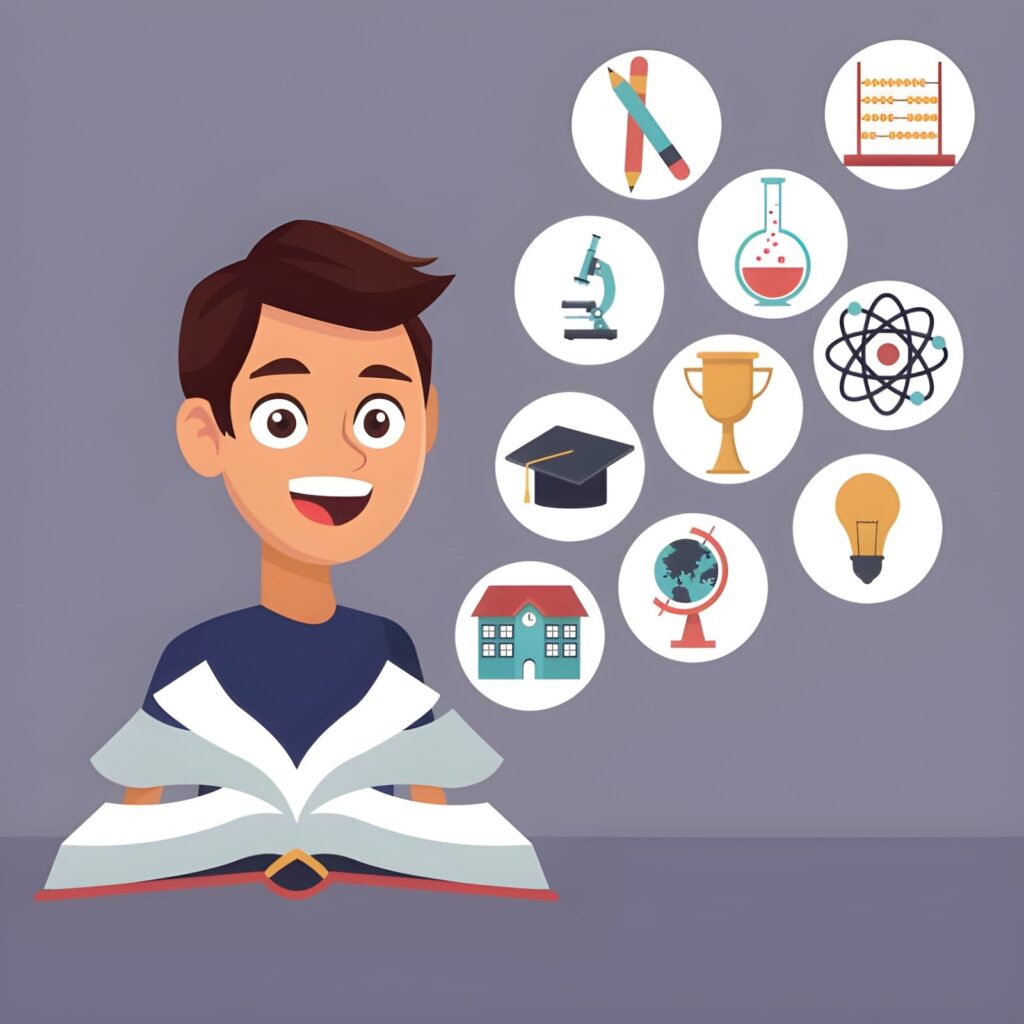
Building strong educational habits at an early age helps children become confident, curious, and independent learners. Young learners develop King88 com quickly, and the routines they practice each day can shape their attitude toward school, reading, problem-solving, and personal growth. Whether children are learning at home, in preschool, or in elementary school, the right habits can support long-term academic success and emotional development.
In this article, we explore the best educational habits for young learners and how parents, teachers, and caregivers can encourage them in simple, practical ways.
1. Create a Consistent Learning Routine
One of the best educational habits for young learners is following a consistent daily routine. Children feel more secure when they know what to expect. A predictable schedule for homework, reading, play, meals, and bedtime helps them manage their time and develop responsibility.
A learning routine does not need to be strict or stressful. For example, parents can set aside 20 to 30 minutes each day for reading, writing, or practicing basic skills. The key is consistency. When learning becomes a regular part of the day, children are more likely to stay focused and develop positive study habits.
2. Encourage Daily Reading
Daily reading is one of the most powerful habits for young learners. Reading improves vocabulary, communication skills, imagination, and concentration. It also helps children understand the world around them.
Parents and teachers can encourage reading by offering age-appropriate books, picture books, storybooks, and educational magazines. Reading aloud to children is especially helpful because it improves listening skills and introduces them to new words. As children grow, they can take turns reading pages or discussing the story.
To make reading enjoyable, create a cozy reading space and let children choose books that interest them. When young learners see reading as fun, they are more likely to continue the habit throughout life.
3. Make Learning Active and Hands-On
Young children learn best when they are actively involved. Hands-on learning helps them understand ideas more clearly and remember information better. Activities such as building blocks, drawing, sorting objects, counting toys, science experiments, and educational games make learning exciting.
For example, children can learn math by counting fruits, measuring ingredients while cooking, or identifying shapes around the house. Science can be introduced through simple activities like planting seeds, observing insects, or mixing colors. Active learning turns everyday experiences into valuable educational opportunities.
4. Develop Good Listening Skills
Good listening is an important educational habit for young learners. Children who listen carefully can follow instructions, participate in class, and understand lessons more effectively.
Adults can help children improve listening skills by giving clear instructions and asking them to repeat what they heard. Storytelling, music, and question-and-answer games are also useful. It is important to model good listening as well. When adults listen patiently to children, children learn to do the same.
5. Teach Organization from an Early Age
Organization helps young learners feel prepared and confident. Simple habits such as keeping school supplies in one place, packing a school bag the night before, and cleaning up after activities teach responsibility.
Parents can use labels, baskets, folders, and colorful charts to make organization easier. For younger children, visual reminders work well. For example, a picture chart showing “put away books,” “pack lunch,” and “brush teeth” can help children follow routines independently.
Organizational skills may seem small, but they support better learning habits as children grow older.
6. Encourage Curiosity and Questions
Curiosity is at the heart of learning. Young learners naturally ask many questions, and adults should encourage this behavior. When children ask “why,” “how,” or “what if,” they are developing critical thinking skills.
Instead of giving quick answers every time, parents and teachers can respond with questions such as, “What do you think?” or “How can we find out?” This encourages children to think, explore, and solve problems.
Educational habits for young learners should include exploration, creativity, and discovery. A curious child is more likely to enjoy learning and stay motivated in school.
7. Balance Screen Time with Real-World Learning
Technology can be useful for education, but too much screen time can affect attention, sleep, and physical activity. Young learners need a healthy balance between digital learning and real-world experiences.
Educational apps, videos, and online games can support learning when used carefully. However, they should not replace reading, outdoor play, creative activities, and face-to-face conversations. Parents can set screen time limits and choose high-quality educational content.
A good rule is to use technology as a tool, not as the main source of learning.
8. Promote a Positive Attitude Toward Mistakes
Children need to understand that mistakes are part of learning. When young learners fear failure, they may avoid trying new things. A positive attitude toward mistakes helps them build confidence and resilience.
Adults can say things like, “Mistakes help us learn,” or “Let’s try again.” Praising effort instead of only praising results is also important. For example, instead of saying, “You are so smart,” say, “You worked really hard on that.”
This encourages a growth mindset, which helps children believe they can improve through practice and effort.
9. Support Healthy Sleep and Nutrition
Good educational habits are not only about studying. Sleep, nutrition, and physical activity play a major role in a child’s ability to learn. Young learners need enough sleep to concentrate, remember information, and manage emotions.
A healthy breakfast, regular meals, and plenty of water can improve energy and focus. Physical play also supports brain development and reduces stress. Parents should create bedtime routines, limit sugary snacks, and encourage outdoor activities whenever possible.
A healthy body supports a healthy mind.
10. Celebrate Progress and Effort
Celebrating progress keeps young learners motivated. Small achievements, such as finishing a book, learning a new word, or completing homework independently, deserve recognition.
Rewards do not always need to be material. Praise, stickers, extra story time, or a special family activity can make children feel proud. The goal is to help children enjoy the learning process and recognize their own growth.
When children feel supported and appreciated, they are more likely to stay engaged and develop lifelong learning habits.
Conclusion
The best educational habits for young learners include Thể thao King88 consistent routines, daily reading, hands-on activities, good listening, organization, curiosity, balanced screen time, and a positive attitude toward mistakes. Healthy sleep, nutrition, and encouragement are also essential for success.
Parents, teachers, and caregivers play an important role in shaping these habits. By creating a supportive and joyful learning environment, adults can help children build confidence, independence, and a love of learning that lasts for years.